

The process of recovery from a natural disaster is often summed by the truism “Recovery is a marathon, not a sprint.” This is because the journey to recovery is long and arduous, requiring sustained effort, patience, and unwavering commitment. While the immediate needs, such as food, water, and shelter, are critical and demand swift action, the true measure of recovery lies in the long haul. Rebuilding homes, restoring infrastructure, and revitalizing the local economy are complex undertakings that require careful planning and execution.
A 7-Step Guide to Disaster Recovery
In the aftermath of a natural disaster such as Hurricane Helene, communities are often left to pick up the pieces and start rebuilding. The process of recovery can be long and complex, but with a solid plan and a collaborative spirit, it is possible to not only rebuild what was lost but also create a stronger and sustainable community.
This blog post will outline a 7-step guide to disaster recovery, inspired by Stephen Covey’s “7 Habits of Highly Effective People.” These steps can help towns such as Asheville navigate the challenges of recovery, rebuild stronger, and become more resilient in the face of future disasters.
Step 1: Be Proactive
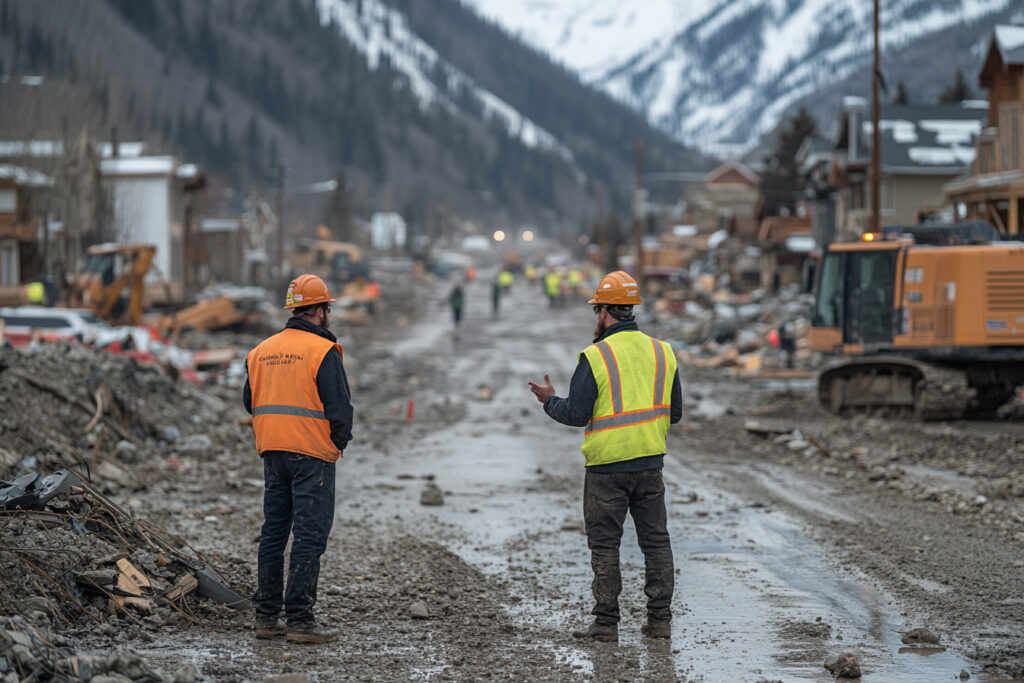
The first step to effective disaster recovery is to take a proactive approach. This means focusing on what you can control rather than dwelling on what you cannot. In the immediate aftermath of a disaster, this may involve assessing the situation, organizing resources, and providing immediate assistance to those in need.
Step 2: Begin with the End in Mind
Before diving into the recovery process, it is important to have a clear vision for the future. What kind of community do you want to rebuild? What are your priorities? By keeping the end goal in mind, you can make decisions that will lead to a more sustainable and resilient community.
Step 3: Put First Things First
In the midst of a crisis, it is easy to get overwhelmed by the many tasks at hand. However, it is important to prioritize your efforts and focus on the most critical needs first. This may involve providing food, water, and shelter to those affected, as well as restoring essential infrastructure.
Step 4: Think Win-Win
Disaster recovery is a team effort. It is important to work together with other community members, government agencies, and non-profit organizations to achieve common goals. By thinking win-win, you can find solutions that benefit everyone involved.
Step 5: Seek First to Understand, Then to Be Understood
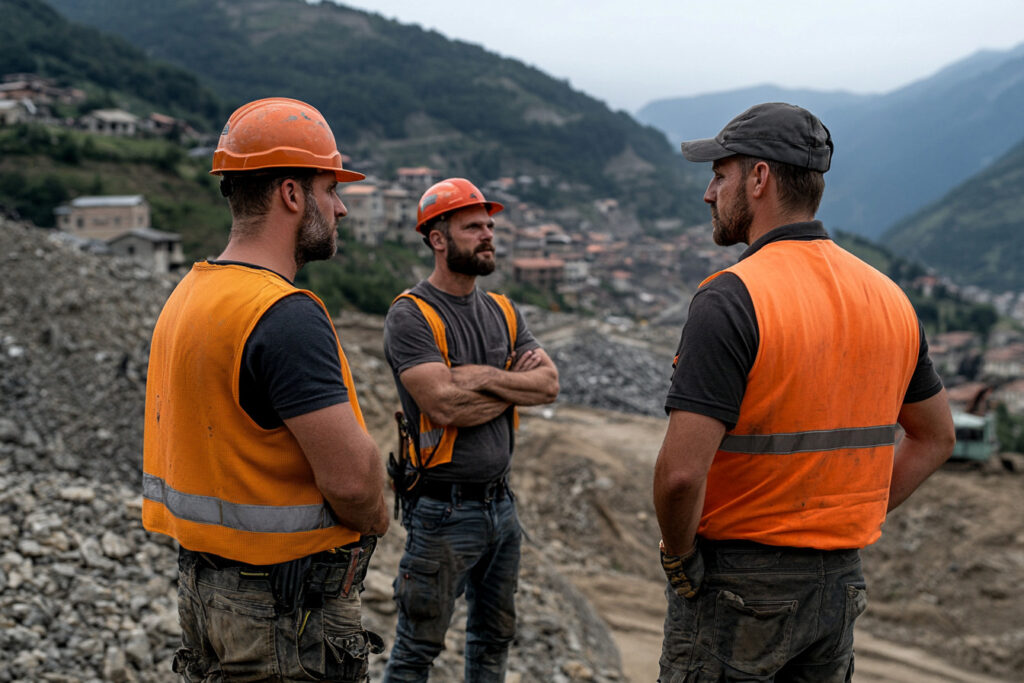
Effective communication is essential to successful disaster recovery. It is important to listen to the needs and concerns of all community members, including the most vulnerable populations. By seeking to understand their perspectives, you can develop solutions that meet their specific needs.
Step 6: Synergize
By working together, we can achieve more than we can alone. Encourage collaboration and teamwork among community members to develop innovative and effective solutions to the challenges of recovery.
Step 7: Sharpen the Saw
Finally, it is important to take care of yourself and others during the recovery process. This may involve providing emotional support, promoting physical and mental health, and ensuring that everyone has access to the resources they need to thrive.
By following these seven steps, communities can effectively navigate the challenges of disaster recovery and emerge stronger and more resilient than before.
Leave a Reply